Installing a septic system is part plumbing, part excavation and part paperwork. The excavation is the loud part. The paperwork is the part that decides what you're allowed to build.
This page covers new septic systems for homes being built outside sewer lines, and replacements for systems that have reached the end of their life.
Septic system installation in Statesville: how it works
1. Site evaluation and permit
Every new system and full replacement starts with Iredell County Environmental Health. The county evaluates the site and the soil and issues a permit that spells out what type of system can go there and where. On red clay, which drains slowly and covers much of the Statesville area, the soil evaluation carries a lot of weight. It decides the size of the drain field and whether a conventional system will work.
The installer should help you through this step and handle the contractor side of the permit.
2. System design
Based on the permit, the system is laid out on your lot: tank location, drain field location, and whether a pump is needed to move water uphill. Most homes get a conventional system with a tank and gravity-fed field. Some lots need an engineered system because of soil, slope or space.
3. Written quote
You get the full price in writing before any digging starts, including the tank, field, any pump and alarm, and site restoration.
4. Installation
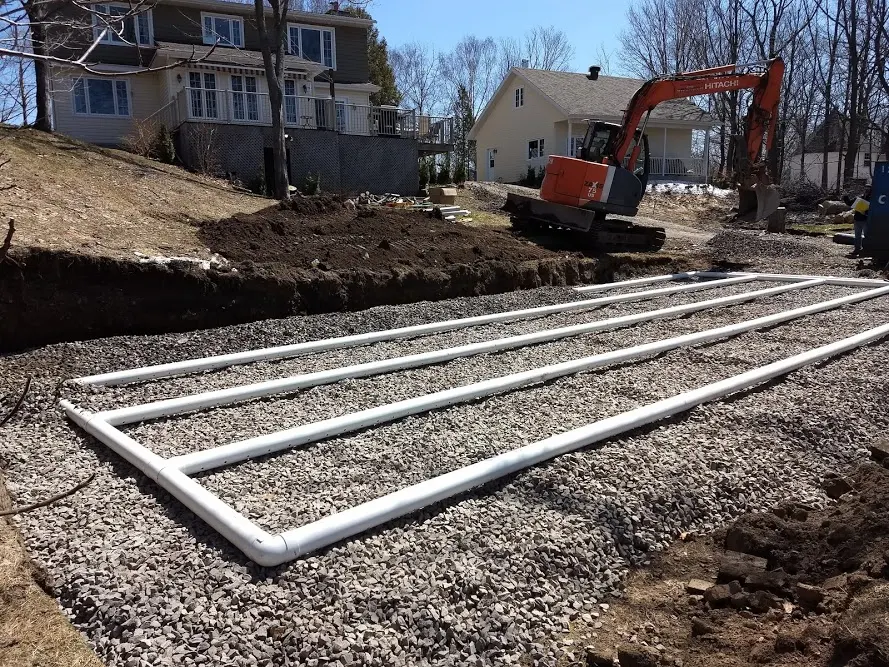
Installation means excavating for the tank and trenches, setting the tank, laying the field, connecting the house line, and installing any pump, floats and alarm. Most residential installs take several days on site, weather allowing. Rain and clay soil don't mix well, so wet weather can push the schedule.
5. Inspection and walk-through
The county inspects the work as required by the permit. Then the installer should walk you through where everything is, how to care for it, and when to schedule the first pumping.
When replacement makes sense
- The drain field has failed and can't be repaired
- The tank is cracked, collapsing or badly deteriorated
- The house has been expanded and the old system is too small
- Repairs keep coming back and the system is old
If you're not sure whether you need a new system or a repair, start with an evaluation. Many problems that look like total failure turn out to be a drain field repair or a septic repair.
What to ask any septic installer
- Who handles the county permit, and what's the timeline?
- Is this a conventional or engineered system, and why?
- What's included in the quote: tank, field, pump, alarm, grading, seeding?
- Where will the tank lids be, and will they have risers?
- What happens to the schedule if it rains?
What a good installer won't do
A good installer won't start digging before the permit is in hand. They won't quote a conventional system for a lot that clearly needs an engineered one just to win the job with a lower number. And they won't leave you without knowing where your tank and field are.
Living with a new system
A new system is a clean slate. Keep it that way:
- Schedule the first pumping in 3 to 5 years, then stay on schedule with septic tank pumping
- Keep vehicles and structures off the drain field
- Send gutter and sump water away from the field
- Spread laundry through the week
What a new septic system costs
A new conventional septic system is a major project, and engineered systems cost more than conventional ones. Lot size, soil, slope, tank size, whether a pump is needed and how far the field is from the house all affect the price. Your actual price comes from a site visit, the county permit and a written quote. See our septic pumping cost guide for what moves the price.
Call (980) 223-3356 to talk through your project.
Questions people ask
How long does it take to get a septic permit in Iredell County?
It depends on the county's schedule and how complex the site is. Plan for some lead time, especially on new construction. Starting the permit process early is the best way to avoid holding up the rest of the build.
What's the difference between a conventional and an engineered system?
A conventional system uses a tank and a gravity-fed drain field and works on many lots with suitable soil. An engineered system is designed for sites where the soil, slope or space won't support a conventional field, and it usually costs more. The county's evaluation largely decides which one your lot needs.
Can I reuse my old septic tank?
Sometimes, if the tank is structurally sound, the right size, and allowed under the new permit. The contractor should inspect it and tell you honestly whether it's worth keeping.
How long does a new installation take?
Most residential installs take several days on site once the permit is issued. Rain can add days, since wet clay is hard to work and can damage the field during construction.