A septic system is the one part of your house you only think about when it stops working. Then you think about it a lot.
This site is for homeowners in Statesville and the surrounding parts of Iredell County who need septic work: routine pumping, inspections for home sales, repairs, drain field problems, new systems and the emergency calls nobody wants to make. Call (980) 635-0562 or request a free quote and a local septic pro will tell you what's going on and what it will take to fix it.
Septic systems in Statesville and Iredell County
- Septic tank pumpingEvery 3 to 5 years keeps the drain field alive
- Septic inspectionFor home sales or peace of mind
- Septic repairBaffles, lids, pipes, pumps and alarms
- Drain field repairWhen the yard stays wet over the lines
- New septic systemsNew homes and full replacements
- Emergency serviceBackups, alarms and slow drains
- Sewer line repairRoots, sags and broken pipe found by camera
- Grease trap pumpingRestaurants and commercial kitchens
- Risers & lidsSafe lids at grade, no digging every pumping
Statesville is the Iredell County seat, sitting where I-40 and I-77 cross. Inside the city, plenty of homes are on municipal sewer. Once you get outside the sewer lines, a lot of Iredell County runs on septic. That includes many homes in the county around Statesville, and out toward Troutman, Harmony, Olin and Stony Point.
The local soil matters here. Much of the area is red clay, and red clay drains slowly. A drain field depends on the soil to absorb and filter the water coming out of the tank. When the soil takes water in slowly, the field has less room for error. Solids that escape a full tank, a pipe that's settled, or years of too much water going down the drains can push a clay-soil field past what it can handle.
Septic permits for repairs and new systems go through Iredell County Environmental Health. That office evaluates the site and issues the permit. For work that needs one, the contractor handles the paperwork side with the county, so you aren't left figuring it out on your own.
How a septic system works, in two paragraphs
Everything that goes down a drain in your house flows to the septic tank. In the tank, the heavy solids sink to the bottom as sludge, and grease and light material float to the top as scum. Bacteria break some of that down, but not all of it. That's why tanks need pumping.
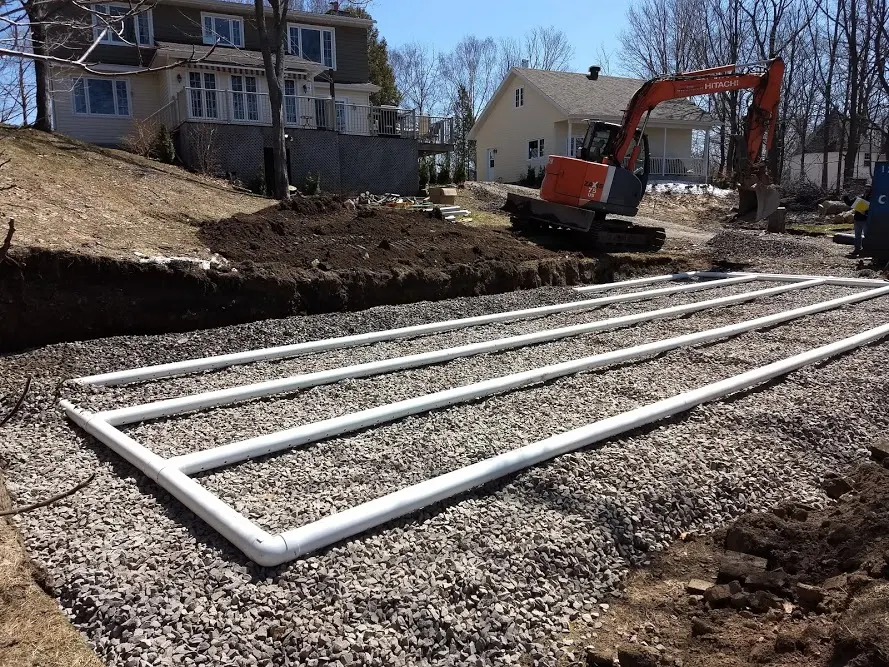
The liquid in the middle flows out to the drain field, a set of trenches with pipe and gravel or chambers buried in your yard. The water seeps into the soil, and the soil does the final cleanup. If the tank is too full, solids ride along with that water and clog the field. Clogged fields are where small problems turn into big checks.

Septic services in Statesville
- Septic tank pumping. Removing the sludge and scum before it reaches the drain field. Most households need it every 3 to 5 years.
- Septic inspection. A look at the tank, baffles, lids, pipes and field, including inspections for home sales.
- Septic repair. Baffles, lids, broken pipes, pumps and alarms. The parts that fail before the whole system does.
- Drain field repair. Diagnosing a wet, smelly or failing field and repairing or replacing it.
- Septic system installation. New systems for new homes and full replacements for systems that are done.
- Emergency septic service. Backups, alarms going off and drains that suddenly won't drain.
Wondering about price first? Our septic pumping cost guide explains what sets the price for every service above.
How it works
- You call or send a request. Tell us what you're seeing: slow drains, a smell in the yard, an alarm, a home sale coming up, or simply that you can't remember the last pumping.
- Free on-site visit and estimate. A local technician comes out, finds the tank, and looks at what's actually going on. For a straightforward pumping, this may happen on the same trip.
- Written quote. You get the price in writing before work starts. If something needs a county permit, the contractor should say so up front.
- The work. Pumping, repair, field work or installation, done with the yard in mind. A good crew digs where it needs to dig and no more.
- Walk-through. The technician shows you what they found, what was done, and what to watch for. If the tank lids were hard to find, ask where they are so the next visit is easier.
Why it matters, and what waiting costs
Septic problems rarely fix themselves. They tend to follow a pattern:
- A tank goes too long without pumping.
- Solids start drifting out to the drain field.
- The field clogs slowly, and drains get sluggish.
- One day, after a holiday weekend with a full house or a week of heavy rain, the system backs up into the house or surfaces in the yard.
A routine pumping is one of the smaller bills a septic owner ever sees. A drain field replacement is one of the biggest, many times the cost of a pumping. The gap between those two jobs is the whole argument for maintenance.
The same goes for small parts. A cracked baffle or a failed pump alarm is a modest, part-level fix. Ignored, it can let solids into the field or let a pump tank overflow without warning.
There's also the house itself. Sewage backing up through a floor drain or tub is unpleasant, and cleanup inside the home can cost more than the septic repair that would have prevented it.
Signs your septic system needs attention
- Drains that are slow throughout the house, not just one sink
- Gurgling in the pipes when a toilet flushes or the washer drains
- A sewage smell in the yard or near the tank
- Wet, spongy ground or extra-green grass over the drain field
- Water backing up into a tub, shower or floor drain
- An alarm sounding from a pump tank control panel
- You honestly don't know when it was last pumped
If any of these sound familiar, call (980) 635-0562. It's cheaper to find out early.
What a good septic contractor won't do
A good contractor won't sell you a new drain field when the tank just needs pumping. They won't tell you a system is failing to scare you into a big job. And they won't recommend additives as a substitute for pumping, because they aren't one.
If a repair will buy you years, an honest pro says so. If the system is truly at the end of its life, they should explain why, show you what they saw, and give you the numbers in writing so you can decide.
Taking care of a septic system between visits
Most of good septic ownership is boring, which is a compliment. A few habits make a real difference:
- Pump on schedule. Every 3 to 5 years for most households. Bigger families and smaller tanks need it more often.
- Spread out the water. Laundry is the big one. Five loads on Saturday floods a tank and field that would handle one load a day just fine.
- Mind what goes down. No wipes (even "flushable" ones), grease, paper towels, cat litter or feminine products. Go easy on the garbage disposal.
- Keep heavy things off the field. No parking, no driveways, no sheds, no pools over the drain field or the tank.
- Send gutter and sump water elsewhere. Extra water on top of a clay-soil drain field is the last thing it needs.
- Fix leaky toilets and faucets. A running toilet can send hundreds of gallons a day to the tank.
Areas we serve
We cover Statesville and nearby communities across Iredell County, including Troutman, Harmony, Olin, Turnersburg, Stony Point, Cool Spring, Love Valley and Mooresville. If you're on septic nearby and aren't sure whether we cover your address, call and ask. It takes one minute.
To get started, call (980) 635-0562 or request a free quote online. You can also read a bit about us first.
Questions people ask
How often should I pump my septic tank in Statesville?
Most households need pumping every 3 to 5 years. The right interval depends on tank size and how many people live in the house. A typical 1,000-gallon tank serving a family of four often lands near the shorter end. If you use a garbage disposal heavily or run lots of laundry, plan on the shorter end too. After a pumping, the technician can tell you how full the tank was, which helps set your schedule.
How do I know if I'm on septic or city sewer?
If you pay a sewer charge on your water bill, you're probably on city sewer. If you have a private well, or your home is outside Statesville's sewer lines in the county, you're very likely on septic. Your property records or the county may also have a permit on file. If you're still not sure, call us and we'll help you figure it out.
Do I need a permit for septic repairs?
Many repairs and all new systems require a permit from Iredell County Environmental Health. Routine pumping and small fixes like a lid or alarm usually don't. When a permit is needed, the contractor should tell you before work starts and handle the paperwork side as part of the job.
Are septic tank additives worth it?
They don't replace pumping. A healthy tank already has the bacteria it needs from normal household use. Additives won't remove the sludge that settles to the bottom, and some can push solids out toward the drain field. Your money is better spent on pumping on schedule.
What should I do if my septic alarm goes off?
Cut back on water right away: no laundry, no dishwasher, short showers. Many control panels have a button to silence the alarm, but silencing it doesn't fix the cause. The alarm usually means water is high in the pump tank, often from a failed pump or float. Call (980) 635-0562 to get a technician out to check it before the tank overflows.
How much does septic service cost in Statesville?
It depends on the job, how easy the tank is to reach and what turns up once the lid is open. Pumping, inspections and minor repairs are the routine jobs. Drain field work and new systems are the big ones. Your actual price comes from a free on-site visit and a written quote. See our septic pumping cost guide for what moves the price.